
Former FTC Chair Lina Khan Says Paramount Merger ‘Seems Facially Illegal,’ Slams ‘Troubling’ Settlement Talks
“Behavioral remedies routinely fail,” warns Khan, who led the Federal Trade Commission during Joe Biden’s administration
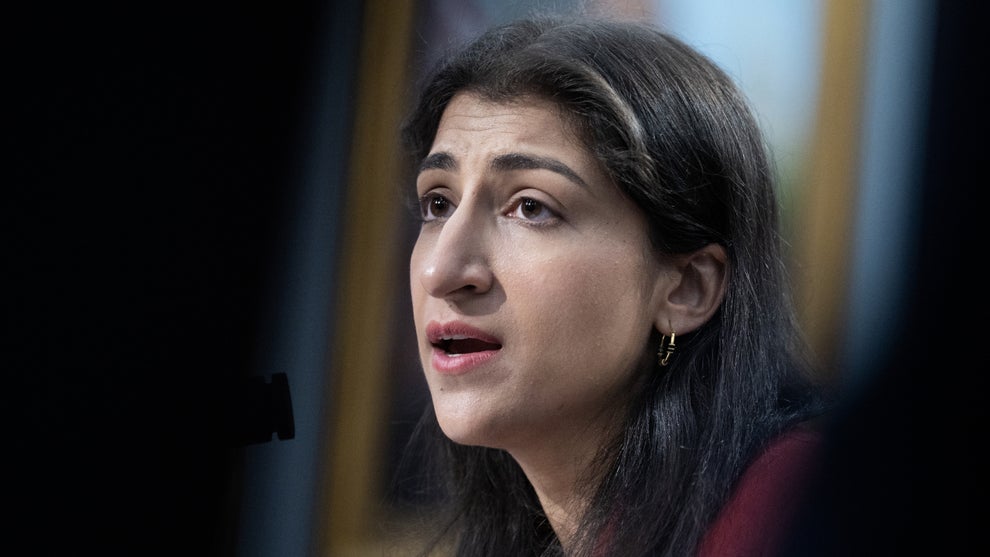
Former Federal Trade Commission Chair Lina Khan has criticized reported settlement negotiations surrounding Paramount Skydance’s proposed acquisition of Warner Bros. Discovery, arguing that the merger appears legally problematic and warning against allowing the deal to proceed through behavioral remedies.
Khan shared her comments as Paramount Skydance and California Attorney General Rob Bonta reportedly continued discussions over a potential settlement in an antitrust lawsuit brought by California and 11 other states. The lawsuit seeks to challenge the proposed transaction, which has been reported as being worth approximately $110 billion.
In a statement shared on social media, Khan said the Paramount-Warner Bros. merger “seems facially illegal” and described the states’ lawsuit challenging the acquisition as strong.
Khan, who served as FTC chair during the Biden administration, also expressed concern over reports that the states could settle the case in a way that would allow the merger to move forward under a series of commitments made by the companies.
She argued that behavioral remedies have frequently failed and said the stakes were particularly high because open markets are important to journalism and creative expression.
Khan’s remarks represent her position on the proposed transaction rather than a court ruling that the merger is illegal. The legal challenge remains subject to the judicial process and negotiations between the parties.
Paramount Skydance has proposed acquiring Warner Bros. Discovery, a transaction that would bring major entertainment and media assets under one corporate structure.
The proposed deal would significantly reshape the entertainment industry by combining Paramount’s film and television operations with Warner Bros. Discovery’s assets, including Warner Bros., HBO, CNN, and other media properties. Supporters of the acquisition have presented it as a way to strengthen Paramount’s position in a competitive global media market.
Opponents, including the states involved in the lawsuit and entertainment industry groups, have raised concerns about reduced competition, potential effects on workers, and the concentration of media ownership.
California Attorney General Rob Bonta and officials from the other states involved in the lawsuit have reportedly been engaged in advanced negotiations with Paramount Skydance.
A settlement could potentially allow the merger to proceed if the company agrees to specific conditions. However, Bonta has previously indicated that he favors structural remedies, such as selling certain assets, over behavioral remedies that depend on companies following promises or operational commitments.
One reported proposal involves Paramount committing to release at least 30 films in theaters each year. Other possible concessions discussed in reports include investments in California’s film and television production industry, commitments involving studio facilities, potential cable-channel sales, and measures intended to protect CNN’s editorial independence.
The exact terms of any settlement remain subject to negotiation, and no final agreement had been publicly confirmed in the available reports.
Behavioral remedies generally involve promises by a company to operate in a particular way after a merger. These may include commitments relating to content production, pricing, employment, editorial independence, or business practices.
Khan has argued that such measures can be difficult to enforce and may not adequately address the competitive concerns created by a large merger. Her comments reflect a broader debate within antitrust policy over whether regulators should prioritize structural changes, such as divestitures, instead of relying primarily on company commitments.
Bonta’s reported preference for structural remedies has placed additional attention on the potential conditions being discussed with Paramount Skydance.
The Federal Trade Commission, currently led by Andrew N. Ferguson, did not file a regulatory challenge against Paramount Skydance’s proposed acquisition of Warner Bros. Discovery, according to reporting by TheWrap.
The lawsuit brought by the coalition of states remains a significant legal obstacle to the deal. The states have argued that the merger could reduce competition across the film and television industries, while Paramount has continued to pursue the acquisition.
The U.S. Justice Department has also been involved in proceedings connected to the case. In September, the department recommended that a federal court require the states to post a bond to cover potential costs associated with delaying the transaction if the legal challenge were ultimately unsuccessful.
The proposed Paramount-Warner Bros. Discovery combination has prompted discussion about the future of Hollywood, theatrical film releases, streaming services, journalism, and employment across the entertainment sector.
Critics have warned that consolidating major studios and media networks could reduce the number of independent competitors and increase the influence of a single company over content distribution. Paramount, meanwhile, has pursued the deal as part of its broader strategy to compete in the changing media landscape.
The outcome of the lawsuit and any potential settlement could determine whether the acquisition proceeds under its current structure, moves forward with additional conditions, or faces further legal challenges.
Lina Khan’s criticism adds to the public debate surrounding Paramount Skydance’s proposed acquisition of Warner Bros. Discovery. Her concerns focus on the legality of the merger and whether behavioral commitments would provide sufficient protection for competition, journalism, and the creative industries.
Settlement negotiations between Paramount and the states remain ongoing, and no final settlement had been confirmed in the available reports. The future of the proposed merger will depend on the negotiations, legal proceedings, and any conditions ultimately imposed on the companies.
Share this:

Discover more from Topcitytune Media
Subscribe to get the latest posts sent to your email.