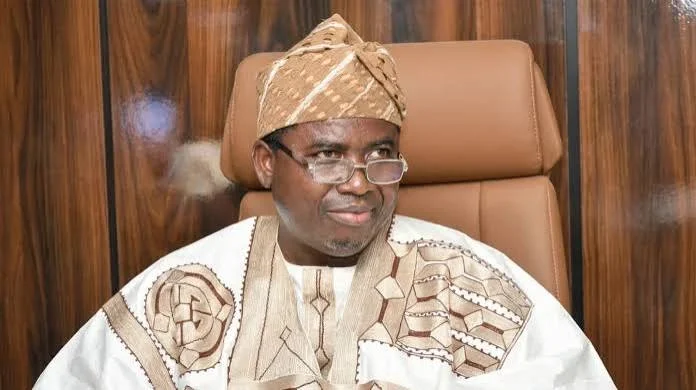
The Chairman of the Independent National Electoral Commission, Prof. Joash Amupitan (SAN), has defended the agency's plan to integrate artificial intelligence into election operations ahead of the 2027 general elections. He insisted that the emerging technology does not threaten democracy, despite the rising dangers of disinformation.
Amupitan stated that AI can significantly improve election administration in areas like voter database management, voter registration, logistics planning, and data analysis. According to Punch, he made the remarks on Monday in Abuja during a national summit on electoral information integrity titled "Beyond the Ballot: AI, FIMI, and the Integrity of Nigeria’s 2027 Elections."
While highlighting the benefits, the INEC boss raised serious concerns about generative AI tools being used to deceive the electorate. He noted that low-cost tools now allow malicious individuals to clone voices of prominent figures or produce realistic videos of electoral officials making false declarations.
The commission specifically warned that bad actors could release fabricated audio and video recordings on the eve of the 2027 polls to falsely announce voting postponements. Amupitan cited the 2023 Slovak parliamentary election, where a fake audio recording surfaced during an election silence period, leaving little time for authorities and fact-checkers to undo the damage before people voted.
To combat swift digital deception, INEC is developing internal mechanisms to counter viral falsehoods within minutes. Amupitan stressed that issuing a rebuttal hours after a manipulated video has spread across social media cannot repair the initial damage caused to the public mind.
The electoral umpire is already collaborating with social media companies to tackle the problem and has signed a memorandum of understanding with TikTok. The commission is also engaging networks such as Facebook, YouTube, X, Instagram, WhatsApp, Telegram, and Messenger to establish quick review channels for manipulated posts.
Amupitan reiterated that the measures are not meant to censor political views or infringe on free speech, but rather to guarantee that citizens act on genuine information. Nigeria is counting down to January 16, 2027, when voting begins for the presidential and National Assembly elections.