Public debate is growing over the management of state finances as subnational administrations receive substantially larger federal revenue transfers without matching improvements in public welfare, according to an analysis published by Punch.
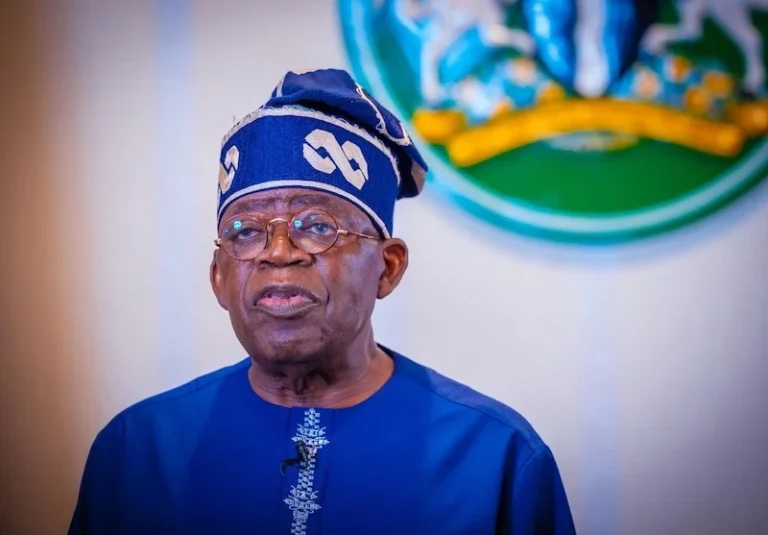
Federal allocations shared through the Federation Account Allocation Committee (FAAC) have surged from between N700 billion and N900 billion to regularly exceeding N2 trillion each month. This surge followed the removal of petrol subsidies and the unification of foreign exchange rates under President Bola Tinubu, which significantly raised the naira value of distributable public revenue across the federation.
Several state leaders have openly confirmed the increase in statutory inflows into their accounts. Governor Dapo Abiodun of Ogun State noted during an official meeting in February 2024 that states were receiving nearly double their previous amounts and retained no justification for non-performance. Similarly, Governor Sheriff Oborevwori of Delta State previously stated that his government had avoided new borrowing because of the enlarged funding arriving from the federal capital.
Other state executives, including Bala Mohammed of Bauchi State and Chukwuma Soludo of Anambra State, have also recognized that the recent revenue reforms helped protect subnational governments from severe cash shortages. World Bank figures cited in the report indicate that outside Lagos State, Nigerian states rely on federal transfers for an average of 73 percent of their total revenues.
However, data from civic tech organization BudgIT reveals that higher income has not resolved basic administrative challenges across many jurisdictions. States spent nearly N2 trillion servicing existing debt obligations while continuing to accumulate liabilities to private contractors as well as unpaid pensions and gratuity backlogs.
The report also pointed to ongoing friction regarding the financial autonomy of Nigeria's 774 local government areas. Despite the Supreme Court ruling of July 11, 2024, which prohibited state governments from interfering with joint local council funds, questions remain over how council finances are run as rural development indicators show continued strain.