Lil Durk – Signed to the Streets 3: Album Review & Tracklist
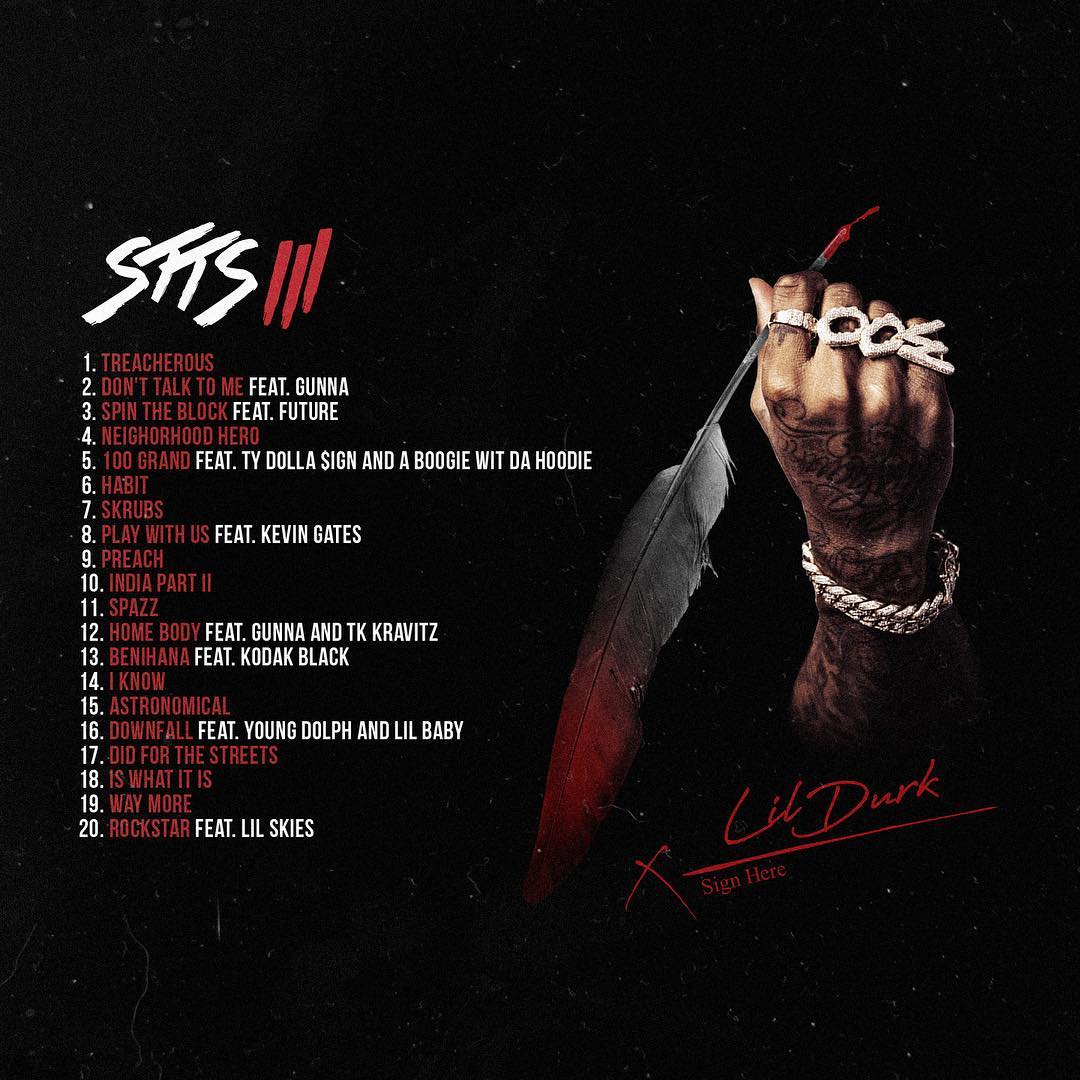 After establishing himself with his first two studio albums, Lil Durk returned to the project series that helped define his early career with Signed to the Streets 3.
Released on November 9, 2018, the album marked Durk’s third studio album and the third installment in his Signed to the Streets series. It was released through Only the Family, Alamo Records and Interscope Records, following his departure from Def Jam.
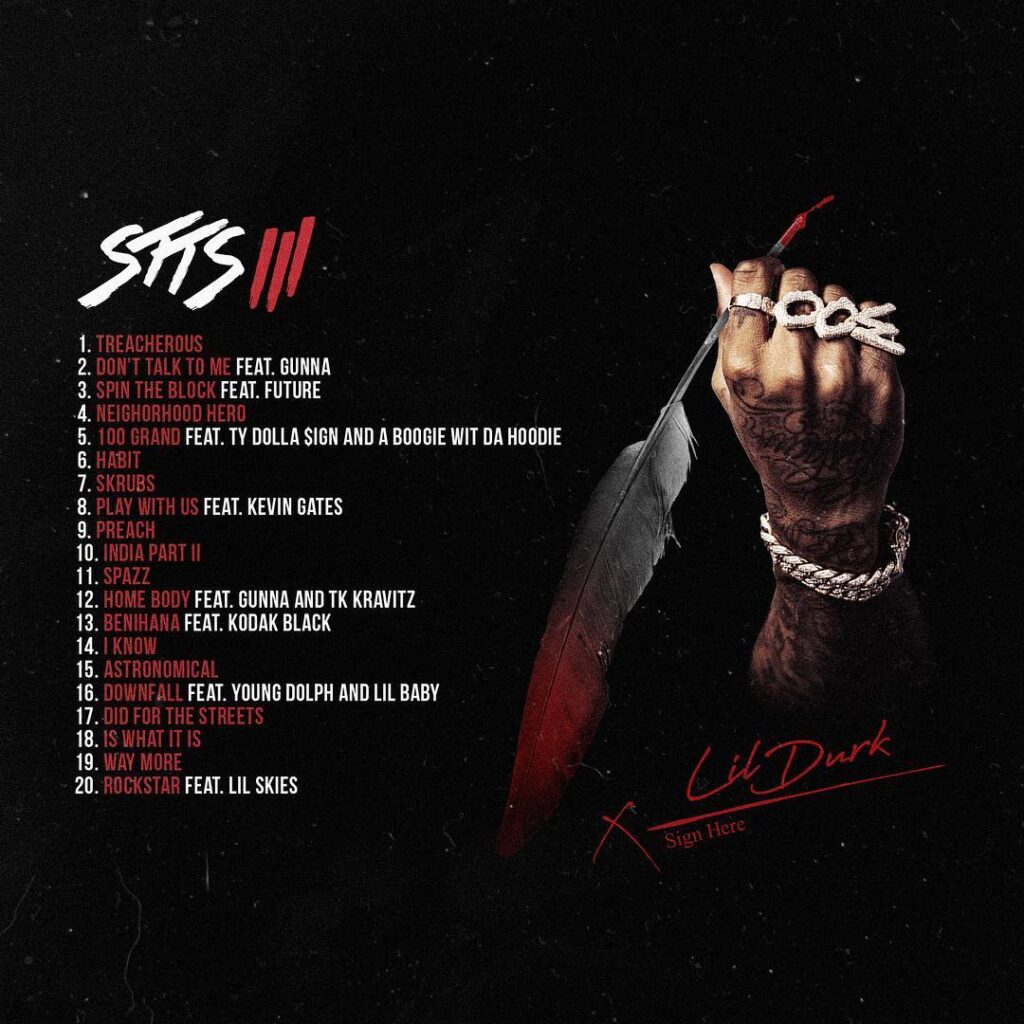
With 20 tracks running for roughly 71 minutes, Signed to the Streets 3 was a substantial project that allowed Durk to revisit the street-centered storytelling that had defined his early catalogue while showing how much his sound had developed.
Returning to Signed to the Streets
The original Signed to the Streets mixtape had been one of the major projects that established Durk’s reputation in Chicago. Released in 2013, it helped introduce a wider audience to his combination of drill, street storytelling and melodic vocals.
Five years later, Signed to the Streets 3 brought that identity back to the forefront.
The album’s title and artwork made a clear statement about where Durk’s musical loyalty remained. Rather than attempting to completely reinvent himself for mainstream audiences, he used the project to document the experiences, relationships and struggles surrounding his life.
Apple Music described the album as Durk breaking down the street life to which he remained committed, while also highlighting his increasingly personal songwriting and signature Auto-Tuned delivery.
A More Personal Lil Durk
Although Signed to the Streets 3 remains firmly rooted in street rap, Durk’s writing had become more personal by this point in his career.
Songs such as “I Know” deal with disappointment and people who have let him down, while “India, Pt. II” is dedicated to India Royale, the mother of one of his children at the time.
These moments demonstrate the balance that had become central to Durk’s music.
He could discuss street life and conflict while simultaneously opening up about relationships, family and personal experiences.
That emotional range would become increasingly important to his later success.
The Sound of the Album
Musically, Signed to the Streets 3 sits between Chicago drill, contemporary trap and melodic hip-hop.
Durk’s Auto-Tuned sing-song delivery remains one of the album’s defining characteristics, but the production gives him enough room to switch between melodic passages and harder rap performances.
The album features production from a broad group of producers, including Southside, Wheezy, Young Chop, ATL Jacob, TM88, Chopsquad DJ and others.
That variety helps keep a 20-track album moving while maintaining its street-focused identity.
Major Collaborations
One of the album’s biggest strengths is its impressive guest list.
Durk brought together artists including Future, Gunna, Ty Dolla $ign, A Boogie wit da Hoodie, Kevin Gates, Kodak Black, Young Dolph, Lil Baby, Lil Skies and Juice WRLD across the project.
Some of the most notable collaborations include:
“Don’t Talk to Me” featuring Gunna
Gunna joins Durk on one of the album’s melodic collaborations, combining two artists whose styles were increasingly becoming influential in modern trap music.
“Spin the Block” featuring Future
Future’s appearance adds another major Atlanta voice to the project and gives Durk an opportunity to work with an artist who had already established himself as one of hip-hop’s most influential melodic rappers.
“Downfall” featuring Young Dolph and Lil Baby
The collaboration brings together three artists known for their street-focused storytelling and melodic delivery.
It is also notable in retrospect because Lil Baby would later become one of Durk’s most important collaborators.
“Home Body” featuring Gunna and TK Kravitz
The track gives the project another melodic moment and later became one of the more recognizable songs associated with the album.
“India, Pt. II”
One of the most personal records on Signed to the Streets 3 is “India, Pt. II.”
The song continues Durk’s relationship-focused songwriting while showing how much his music had moved beyond the straightforward drill records of his earliest career.
Rather than simply describing street experiences, Durk uses the song to talk about someone important in his personal life.
That willingness to bring relationships and vulnerability into his music would become an increasingly important part of his identity.
“Neighborhood Hero”
The album also contains “Neighborhood Hero,” another record that emphasizes Durk’s connection to street culture.
On the song, Durk calls for the release of Big Meech, the founder of the Black Mafia Family, reinforcing the album’s broader theme of loyalty to people and communities connected to street life.
The song is representative of the way Durk used his platform at this stage of his career — not simply to entertain, but to speak about people, circumstances and issues connected to his environment.
A New Label, A New Chapter
Signed to the Streets 3 was particularly important because it was Durk’s first release after leaving Def Jam.
He subsequently released the album through Alamo Records and Interscope Records, alongside his Only The Family imprint.
The change gave Durk a new chapter professionally.
Instead of being an artist still trying to find his position within a major label, he was becoming increasingly confident in his own identity and the direction of his music.
That independence is reflected in the album’s refusal to completely abandon his street-oriented sound.
Commercial Reception
Despite being heavily rooted in street rap, Signed to the Streets 3 performed well commercially.
The album debuted at No. 17 on the Billboard 200, earning more than 26,000 album-equivalent units in its opening week. It was later certified Gold by the RIAA in 2022, representing more than 500,000 certified units in the United States.
The performance demonstrated that Durk’s audience was continuing to grow even as he maintained a sound closely connected to his roots.
The Beginning of the Next Era
Looking back, Signed to the Streets 3 sits at an important point in Lil Durk’s career.
He was no longer the same young rapper who released the original Signed to the Streets mixtape in 2013.
His songwriting had become more personal, his collaborations had become bigger and his melodic style was becoming increasingly refined.
At the same time, he had not abandoned the street identity that originally brought attention to his music.
That balance would become one of the foundations for the major commercial breakthrough that followed.
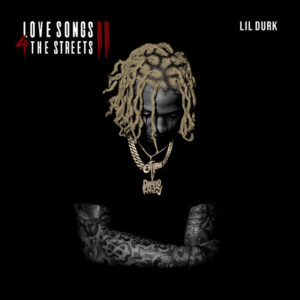
The next year, Durk would move further into the emotional side of his music with Love Songs 4 the Streets 2.
Final Thoughts
Lil Durk – Signed to the Streets 3 is an important chapter in the rapper’s evolution.
Released in 2018, the album reconnects Durk with the series that helped establish his name while presenting a more experienced, personal and commercially ambitious artist.
With appearances from Future, Gunna, Lil Baby, Young Dolph, Kodak Black, Kevin Gates, A Boogie wit da Hoodie and others, the project also captures Durk’s growing position within a new generation of hip-hop.
More importantly, the album shows an artist who understood where he came from without allowing his past to completely define his future.
For anyone following Lil Durk’s career chronologically, Signed to the Streets 3 is one of the key albums that connects his early Chicago years to the superstar era that was still ahead of him.
Share this:

Discover more from Topcitytune Media
Subscribe to get the latest posts sent to your email.