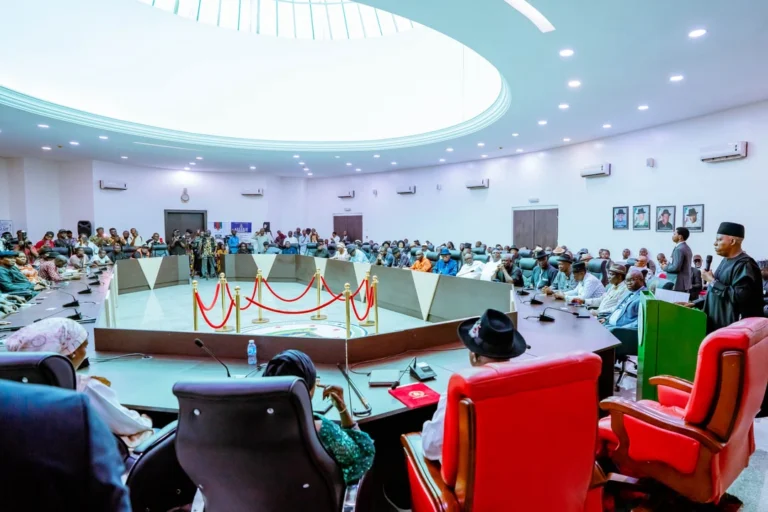
The COP31 international climate summit held in Antalya, Turkey, has ended without a consensus after nations clashed over the future of fossil fuels, according to Punch. The gathering ran for more than 49 extra hours beyond its planned conclusion, making it the longest climate conference on record.
Disagreements peaked over whether the final resolution should call for an end to the use of coal, oil, and gas. Major oil-producing nations, including Saudi Arabia, stood firm against any language targeting the phase-out of fossil fuels, leading several other nations to reject the proposed text entirely.
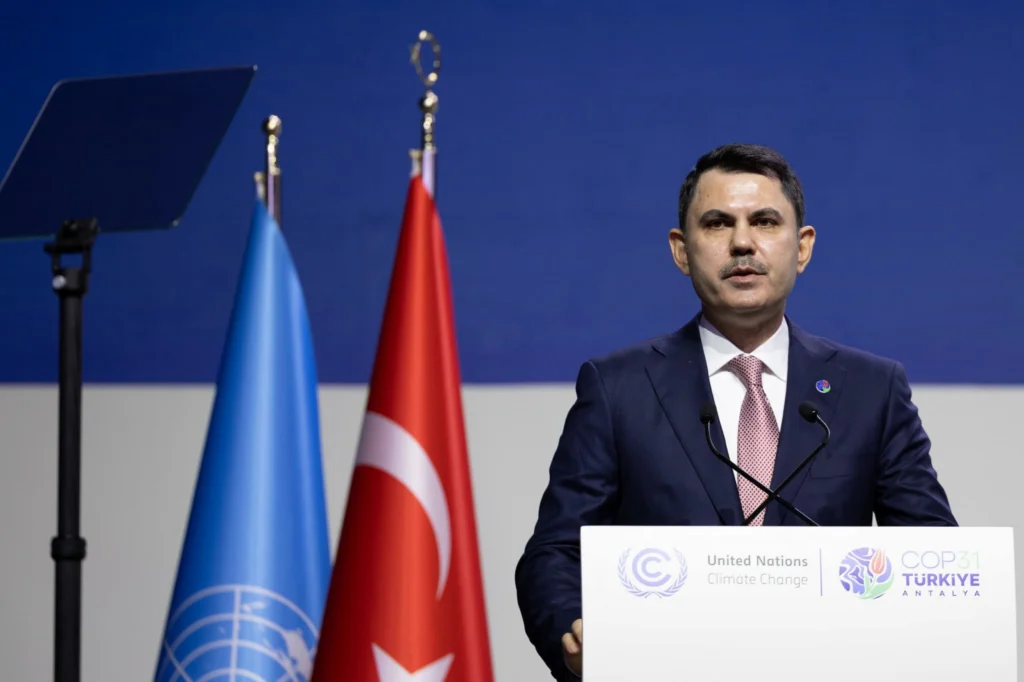
Negotiations chair Chris Bowen, who serves as Australia’s climate minister, confirmed the deadlock to journalists. He stated that the talks could not get past deep divisions among the nearly 200 participating countries, describing the failure to reach a cover decision as deeply disappointing. Turkish Environment Minister Murat Kurum brought the prolonged meeting to an end on Sunday after attempts to find common ground fell apart.
United Nations Secretary-General Antonio Guterres voiced strong disappointment over the outcome. He stated that he shared the deep frustration of people who had expected leaders to take decisive steps to tackle rising global temperatures and severe weather events. UN climate head Simon Stiell also observed that the conference fell short of what the world needed.
European representatives and island nations strongly rejected the draft agreement because it avoided directly addressing the core causes of global warming. Darragh O’Brien, the climate minister for Ireland, which currently holds the European Union presidency, insisted that the bloc would not back any text that bypassed the issue of fossil fuels or served to disguise their impact. Island states such as Vanuatu, Panama, and the Marshall Islands also pushed back against the draft.
Attempts by the host nations to salvage the discussions with alternative proposals, including broad plans to electrify global economies, failed to gain backing. Tensions over science and finance further disrupted the room, with developing countries expressing dismay after a proposed 120 billion dollar climate target vanished from the working draft.