Questions surrounding the realities awaiting Nigerian students after leaving school have been brought back into public focus by commentator Muhammad Umar Shehu, according to Opinion Nigeria. In an article published on Sunday, Shehu examined the structure of Nigeria's education system and asked what truly happens to individuals once they finish their studies.
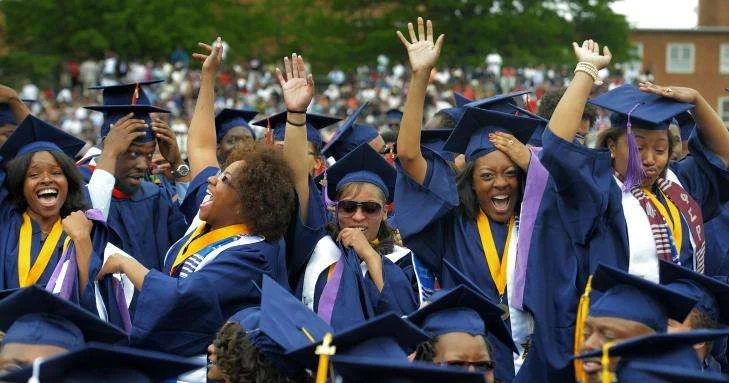
The discussion addresses an ongoing concern across the country regarding the gap between obtaining an academic degree and securing sustainable employment. Every year, thousands of young Nigerians finish programs in universities, polytechnics, and colleges of education across the country.
For many degree holders, the journey after school begins with the mandatory one-year National Youth Service Corps programme. However, the path often becomes difficult after service, as young professionals run into a tough job market with limited openings. High youth unemployment and underemployment remain major hurdles for recent school leavers.
Because formal white-collar jobs are scarce, many graduates across major Nigerian cities now look outside their fields of study to make ends meet. A large number have moved into entrepreneurship, digital tech skills, freelancing, and sectors like the creative economy and entertainment industry.
The piece adds to persistent calls from educators, policy experts, and citizens for structural changes within the nation's tertiary institutions. Many continue to advocate for curricula that prioritize technical competence, critical problem-solving, and practical vocational training over pure theoretical instruction, helping graduates adjust better to modern workplace demands.