The origins and evolution of Nigeria continue to draw public attention, with fresh reminders that the nation's true journey did not start at independence in 1960, according to a report by Business News Nigeria.
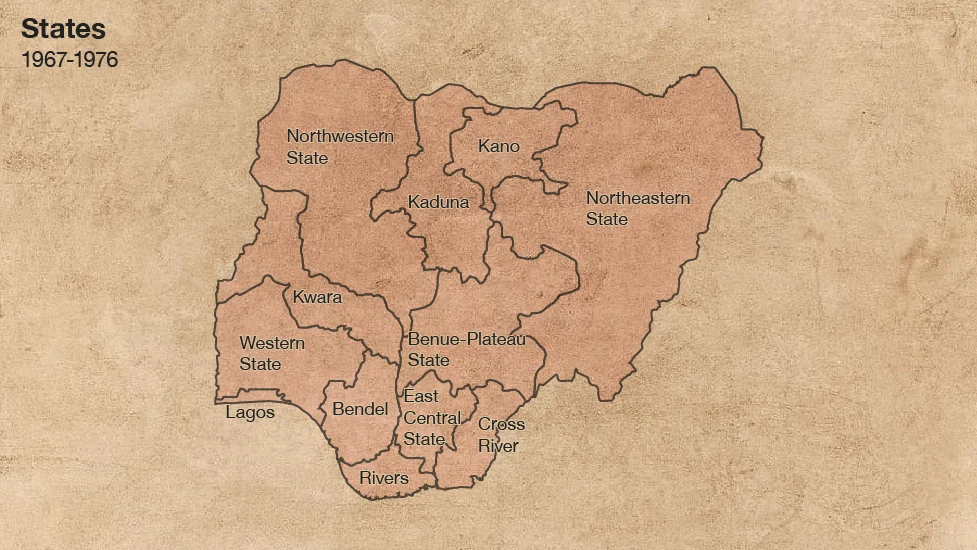
While October 1, 1960, remains a pivotal milestone marking freedom from British colonial rule, historians and observers regularly emphasize that the territories and peoples that make up the country boast centuries of organized society. The formal administrative structure of modern Nigeria was established decades earlier, notably through the 1914 amalgamation carried out under British colonial administrator Lord Frederick Lugard.
That 1914 unification joined the Northern Nigeria Protectorate and the Southern Nigeria Protectorate into a single colonial entity. Before that administrative merger, the British had operated distinct protectorates and colonies across the Niger area following decades of gradual commercial and military expansion.
Even before the advent of European colonial governance, the land now recognized as Nigeria was home to several advanced kingdoms, empires, and decentralized communities. Prominent among these ancient polities were the Kanem-Borno Empire, the Sokoto Caliphate, the Oyo Empire, the Kingdom of Benin, and the ancient civilization of Igbo-Ukwu, alongside various city-states across the Niger Delta.
These pre-colonial societies maintained established systems of trade, diplomacy, law, and culture that stretched across West Africa and beyond the Sahara Desert. Archaeological discoveries, such as the Nok terracottas, show settled, artistic communities flourishing in the region as far back as 500 BC.
Recognizing that Nigeria did not begin in 1960 provides a fuller view of the nation's shared heritage. It connects modern citizens not just to a date of colonial departure, but to centuries of cultural and political interactions that preceded modern statehood.