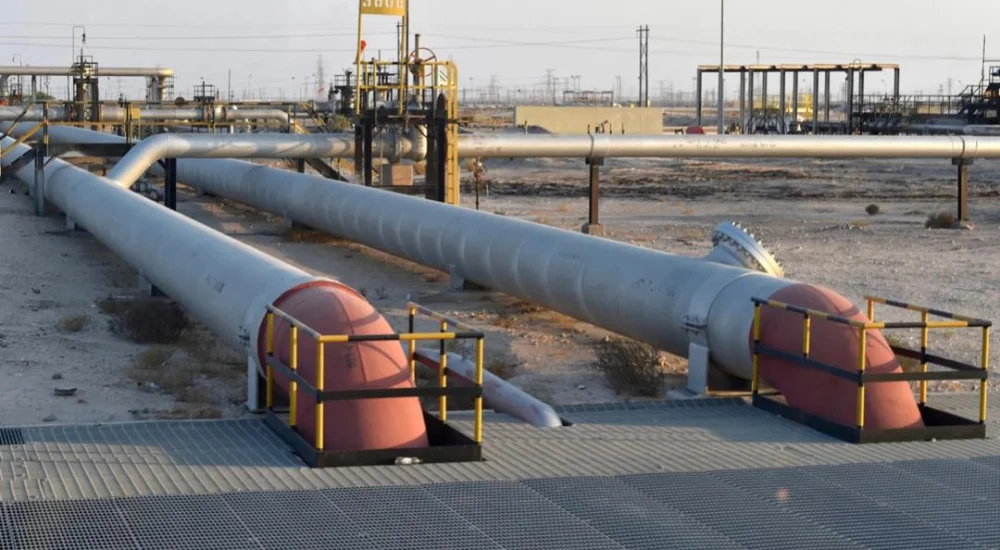
Nigeria's upstream petroleum sector is projected to bring in between $30 billion and $50 billion in offshore funding between 2026 and 2030. The expected capital injection will be powered by 22 major offshore projects aimed at lifting crude production, generating employment, and expanding basic energy infrastructure across the country.
According to a report by The Whistler Newspaper, the Nigerian Upstream Petroleum Regulatory Commission (NUPRC) links this positive outlook to regulatory changes enacted under the Petroleum Industry Act, more transparent licensing methods, and quicker approvals for ongoing ventures. The commission has approved over $57 billion in Field Development Plans since 2024, with numerous developments advancing toward Final Investment Decisions while groundwork for the 2026 Licensing Round continues.
These planned ventures are central to the Federal Government's broader target of lifting crude oil output to 2 million barrels daily by 2027, before reaching 3 million barrels daily by 2030. Achieving these numbers forms part of the national roadmap toward creating a $1 trillion economy by the end of the decade.
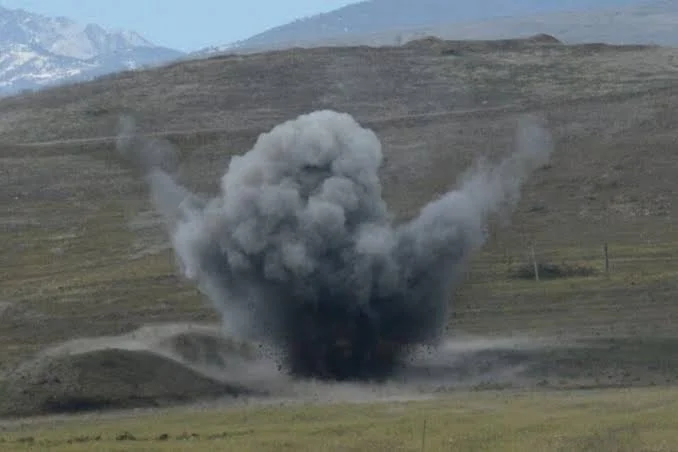
Industry observers note that pulling in global capital depends heavily on maintaining peace and protecting key installations across the Niger Delta. To address constant pipeline vandalism and oil theft, the Federal Government under President Bola Ahmed Tinubu engaged Tantita Security Services Nigeria Limited, an outfit headed by High Chief Dr. Government Oweizide Ekpemupolo, widely known as Tompolo.
Working alongside conventional state security agencies, Tantita oversees pipeline surveillance to safeguard crude flows and restore stability to host communities. A recent survey highlighted that most participants linked the drop in Niger Delta security disturbances directly to the surveillance work handled by the private security outfit.
To keep tabs on key installations, Tantita uses round-the-clock surveillance tools, including thermal imaging and night-vision high-resolution cameras, to spot threats early and stop unauthorized access before damage occurs. Industry stakeholders maintain that preserving this security framework will remain crucial if Nigeria hopes to turn its offshore investment ambitions into reality.