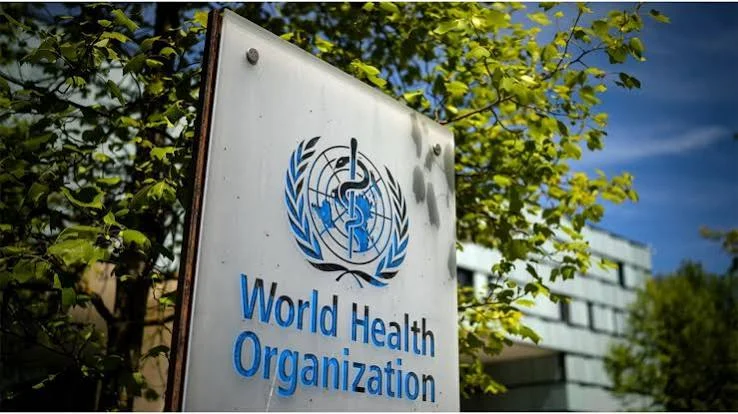
The World Health Organisation has called on Nigeria to urgently strengthen its domestic financing to keep HIV prevention services running, as international support drops. The call came during the four-day Nigeria HIV Prevention Conference held in Abuja, which was put together by the National Agency for the Control of AIDS and international partners.
Speaking at the gathering, Dr Akudo Ikpeazu, Team Lead for HIV, Tuberculosis, Hepatitis and STIs at the WHO Regional Office for Africa, warned that Nigeria depends too much on foreign help, according to Punch. She pointed out that past spending records showed external donors financed more than 90 per cent of Nigeria's total AIDS budget.
Ikpeazu noted that while new infections fell by 52 per cent between 2010 and 2025, about 64,000 people still contracted the virus in 2025 alone. She warned that the period of donor-driven prevention might be drawing to a close, noting that external support should only serve as a bridge rather than a permanent home.
The WHO official urged federal, state, and local authorities to take over the routine costs of prevention and weave them directly into public health systems, regular budgets, and supply lines. She stressed that 89 per cent of new adult infections happen in the general population, while roughly 10,000 children still acquire HIV each year through mother-to-child transmission.
Also speaking at the conference, UNAIDS Country Director Krittayawan Boonto said Nigeria's data showed a 68 per cent drop in infections since 2010, though the country still sees between 60,000 and 65,000 new cases every year. She said Nigeria must bring new annual infections down to fewer than 5,000 to successfully control the epidemic.
UNFPA Resident Representative Muriel Mafico added that youths make up over 60 per cent of Nigeria's population and must remain at the centre of prevention strategies. At the same time, Esther Hindi, National Coordinator of the Association of Women Living with HIV/AIDS in Nigeria, demanded better access to test kits, condoms, pre-exposure prophylaxis (PrEP), and treatment, while urging authorities to put an end to stigma.