The House of Representatives has stepped forward to repeal and replace Nigeria’s 69-year-old Trustee Investment Act. The move aims to broaden investment avenues for trustees, introduce stronger safety nets for beneficiaries, and bring trust operations up to speed with today's financial markets.
Lawmakers, regulators, and finance experts gathered on Monday in Abuja for a public hearing to review the draft law, titled the Trustee Investment Act (Repeal and Enactment) Bill, 2026, according to Punch. The session was put together by the House Committee on Capital Market and Institutions to weigh the impact of the proposed changes on the wider investment climate.
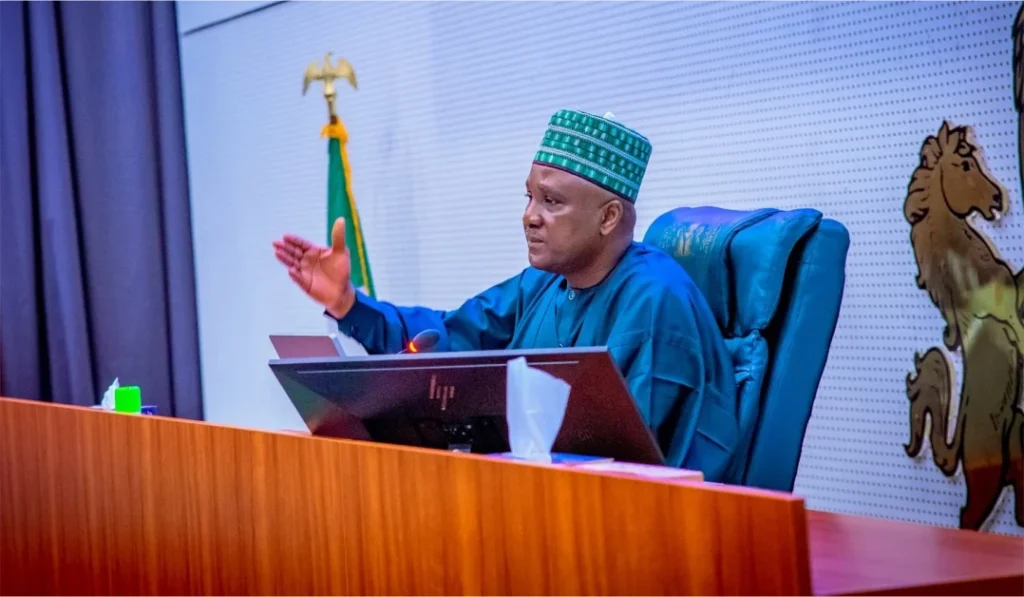
The Speaker of the House of Representatives, Tajudeen Abbas, who was represented by Dahiru Sarki, opened the hearing with a call for urgent reform. He explained that the 1957 law was created under entirely different financial conditions and could no longer handle modern economic developments or the variety of investment products now available.
Abbas noted that trust management touches real human lives, pointing out that behind every trust fund lies the inheritance of a child, the livelihood of a widow, the finances of a charity, or long-standing family wealth. He stressed that legal provisions must give enough security to those assets while giving asset managers the room to generate decent returns.
The Speaker warned that while opening up investment options is vital, it must never turn into an excuse for reckless speculation or high-risk ventures. Instead, trustees must remain bound by clear professional duties, accountability, and strong regulatory checks so that funds meant for long-term security stay protected.
He also linked the legislative effort to Nigeria’s broader economic needs, noting that the country requires stable, long-term capital to tackle infrastructure shortages and drive enterprise. Earlier in the session, the Chairman of the House Committee on Capital Market and Institutions, Solomon Bob, criticised the 1957 statute as completely out of touch with the scale and sophistication of current markets.