The Lagos State Government has moved to confront persistent electricity shortages across the metropolis by summoning key players across the power sector to a major policy and problem-solving meeting, according to Punch.
Regulators, power distribution companies, energy suppliers, and resellers will gather at the 2026 Lagos Energy Summit scheduled to run from November 10 to 12. State officials noted that the meeting is designed to move beyond typical policy discussions and directly tackle structural defects that leave households and businesses without steady power.
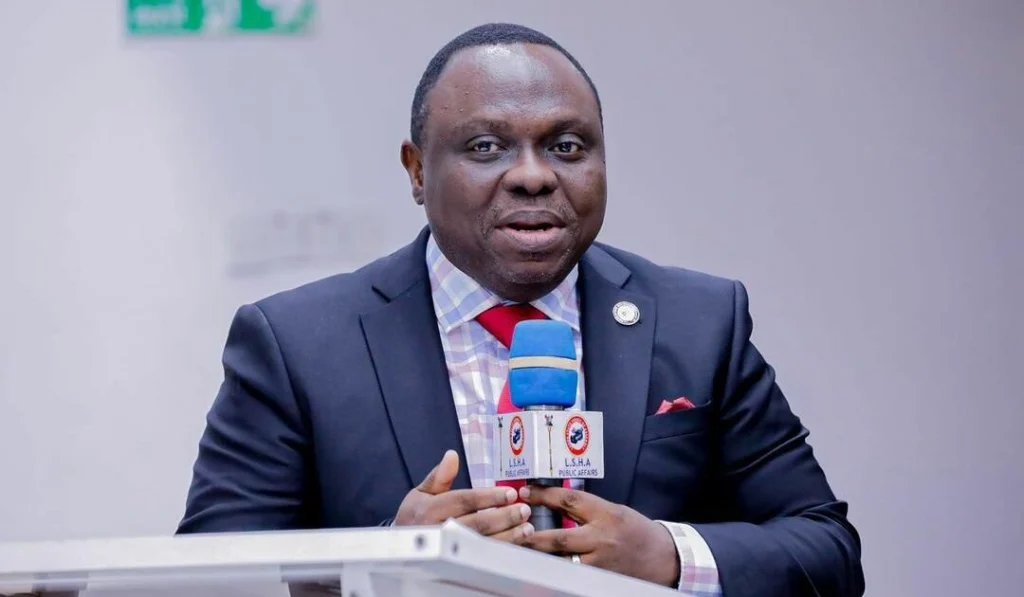
The Lagos State Commissioner for Energy and Mineral Resources, Biodun Ogunleye, explained that the three-day gathering will address pressing issues such as distribution bottlenecks, regulatory reforms, alternative fuel sources, and metering. He also noted that talks are ongoing between state authorities and the Federal Government to define regulatory boundaries so Lagos can exercise stronger oversight over its energy assets.
Permanent Secretary in the ministry, Ibilola Kasumu, stated that the state hopes to build a working framework that delivers constant, 24-hour electricity to residents. She added that the state wants to create a functional system that other parts of Nigeria can eventually copy. Beyond corporate stakeholders, the event will also showcase renewable energy concepts and prototypes developed by secondary school pupils.
Unreliable grid electricity remains a severe headache for commercial enterprises in the state. At an industrial energy conference held in Lagos, the Manufacturers Association of Nigeria stated that high tariffs and unstable supply have driven energy costs to nearly half of the operational budgets in some factories. MAN President Dr Ifeanyi Okoye warned that these heavy expenses weaken business competitiveness and threaten industrial jobs.
Addressing the manufacturers, the Minister of Power, Joseph Tegbe, disclosed that the Federal Government is using a corridor-focused strategy to fix the national grid, with Lagos designated as the primary corridor because it accounts for about 50 per cent of Nigeria's electricity demand.
Tegbe noted that a four-week technical audit is currently mapping out weak points in electrical infrastructure to guide targeted investments. He also revealed that federal investigators found roughly 14 industrial users on a single corridor who accumulated over N400 million in unpaid electricity bills, warning that illegal connections harm the financial health of the power sector.