Pharmaceutical stakeholders have expressed strong doubts over Nigeria's ability to achieve 70 percent local production of essential medicines by 2030. They pointed out that persistent structural bottlenecks continue to hinder the country's manufacturing capacity, according to Punch.
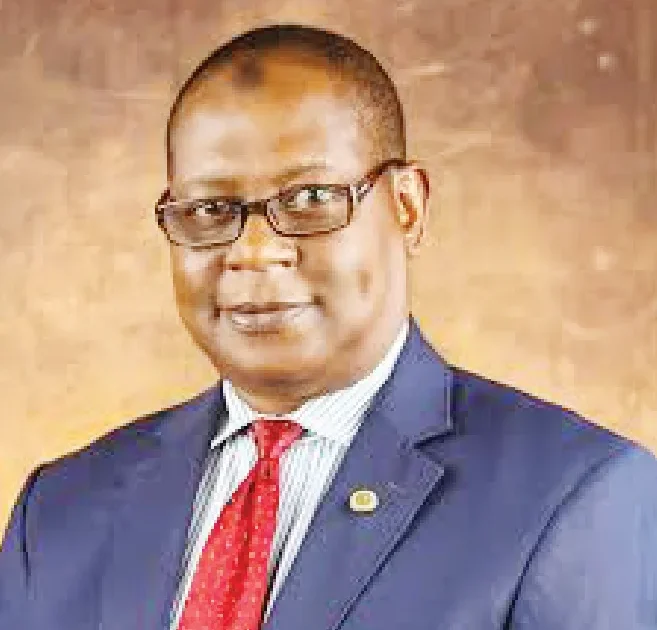
The President of the Pharmaceutical Society of Nigeria, Ayuba Tanko, stated that while the national ambition is desirable and necessary, current economic conditions make reaching the timeline extremely difficult. He warned that ambition without fundamental reform risks remaining an empty declaration rather than translating into measurable industrial progress.
Tanko explained that local companies still rely heavily on foreign suppliers for Active Pharmaceutical Ingredients, excipients, packaging materials, and specialised machinery. He noted that formulating finished medicines like tablets and syrups inside the country is not the same as true pharmaceutical self-sufficiency when primary ingredients remain imported.
Manufacturers are also struggling with unstable energy, high production expenses, foreign exchange volatility, and expensive financing. In February 2026, the Emir of Kano, Muhammadu Sanusi, noted at an industry event that 70 percent of drugs consumed by Nigerians are imported, with 80 percent of those foreign products originating from India.
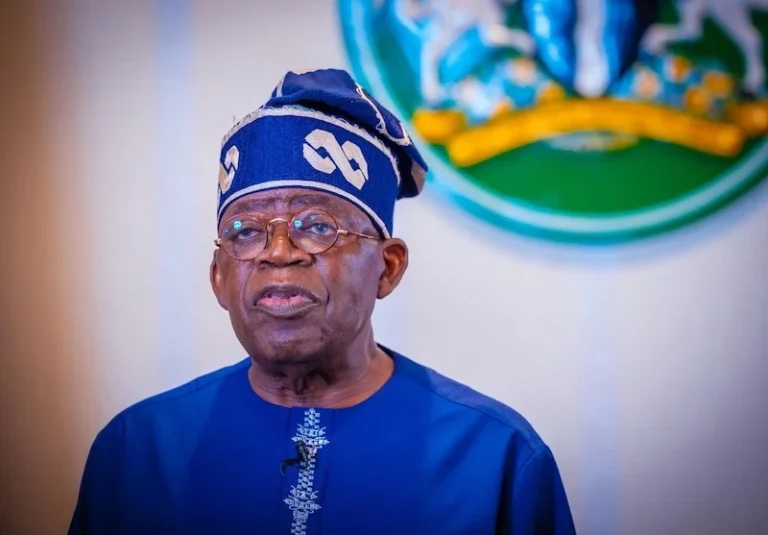
The Federal Government had previously introduced measures to cushion these pressures. In October 2023, President Bola Tinubu approved the Presidential Initiative for Unlocking the Healthcare Value Chain, followed by an executive order in June 2024 removing tariffs, excise duties, and value-added tax on imported pharmaceutical inputs.
The Coordinating Minister of Health and Social Welfare, Muhammad Ali Pate, previously said the executive order was meant to stimulate local output of drugs, diagnostic kits, and medical devices. However, industry operators maintain that broader infrastructural hurdles must be cleared before domestic companies can compete with imported products.
The World Health Organisation has also urged Nigeria to build a resilient local industry to protect its national health security. WHO Country Representative Dr Pavel Ursu, represented by Dr Akinola Fatiregun, stated that cutting reliance on imported drugs remains critical for the country's long-term health sector stability.