

Wizkid – Ojuelegba (2014): Song Review, Meaning & Significance
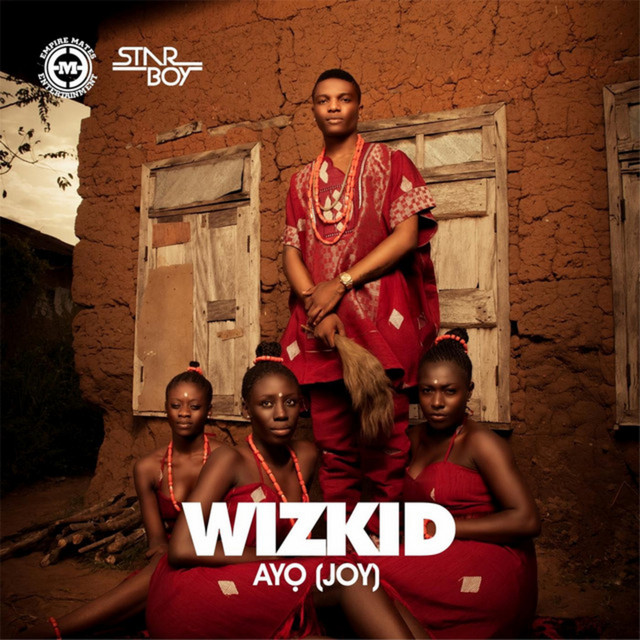
“Ojuelegba” is one of the most important songs from Wizkid’s second studio album, Ayo, released in 2014. Named after the well-known Lagos neighborhood of Ojuelegba, the song is a deeply personal record about Wizkid’s upbringing, struggles, hard work and eventual success.
Unlike many Afropop songs centered primarily on romance or partying, “Ojuelegba” looks backward. Wizkid uses the song to remember where he came from and the people and environment that shaped his journey.
The song was released as part of Ayo on September 17, 2014, and was produced by Legendury Beatz.
Song Details
- Artist: Wizkid
- Song: Ojuelegba
- Release Date: September 17, 2014
- Album: Ayo
- Album Position: Track 5
- Genre: Afrobeats / Afropop
- Label: Starboy Entertainment / EME
- Producer: Legendury Beatz
- Songwriter: Ayodeji Ibrahim Balogun (Wizkid)
The Meaning Behind “Ojuelegba”
At its heart, “Ojuelegba” is a song about struggle, perseverance, gratitude and remembering one’s roots.
Wizkid references his experiences around Ojuelegba and recalls the period when he was still working toward becoming a successful musician. He mentions Mo’Dogg’s studio, describing the hustle and effort that formed part of his early journey.
The song also recognizes the struggles of the people around him. Wizkid talks about people suffering while continuing to pray for blessings and a better life.
This gives “Ojuelegba” a broader meaning than simply being a song about a neighborhood. Ojuelegba becomes a symbol of the difficult period that Wizkid came through.
A Song About Gratitude
One of the central emotions in the song is gratitude.
Wizkid repeatedly expresses appreciation for being alive and for how far he has come. The chorus focuses on feeling good and thanking God for life.
That contrast is important: the verses look back at hardship, while the chorus celebrates the fact that he survived those difficult moments and reached a better place.
The song therefore moves between memory and celebration.
The Sound and Production
“ Ojuelegba” was produced by Legendury Beatz, the production duo associated with several important records in Wizkid’s career.
The production is rhythmic but relatively restrained. Rather than relying on an aggressive club beat, the instrumental gives Wizkid space to tell his story.
Apple Music describes the song as built around a dense, bouncy rhythm with Yoruba musical influences and synth-based horn textures.
That combination gives the record a distinctly Nigerian identity while still making it accessible to listeners outside Nigeria.
Wizkid’s Vocal Performance
Wizkid approaches the song differently from his more playful records.
His delivery is conversational and reflective, particularly when discussing his past. He moves naturally between English, Nigerian Pidgin and Yoruba expressions, allowing the song to feel closely connected to Lagos.
Rather than trying to overwhelm the instrumental with complicated vocal performances, Wizkid allows the story and melody to carry the record.
Ojuelegba and Lagos
The title is particularly significant because Ojuelegba is a real area of Lagos associated with Wizkid’s story and upbringing.
The song transforms the location into part of his musical identity. Instead of presenting Lagos only through luxury, nightlife or success, Wizkid presents another side of the city: work, struggle, community, prayer and ambition.
This connection between personal experience and place is one reason the song became such an important part of his catalog.
Apple Music describes “Ojuelegba” as a tribute to Wizkid’s upbringing in Lagos and identifies it as one of the songs that helped introduce his music to a broader international audience.
The Connection to Ayo
“Ojuelegba” appears as Track 5 on Ayo, following:
- Jaiye Jaiye
- Show You the Money
- In My Bed
- Mummy Mi
- Ojuelegba
The placement of the song is significant because it gives Ayo a strong personal moment early in the album.
While Ayo contains romantic songs, party records and international collaborations, “Ojuelegba” brings the album back to Wizkid’s roots and personal history.
The Drake and Skepta Remix
The song gained an even wider international audience through a remix featuring Drake and Skepta.
The remix became an important moment in Wizkid’s growing international profile. Apple Music notes that the remix helped introduce “Ojuelegba” to a new audience outside Africa.
The collaboration was especially notable because it connected a deeply Nigerian story about Lagos with two major UK/Canadian rap figures.
Importantly, the international remix did not require Wizkid to abandon the song’s Nigerian identity. The original concept and setting remained central to the record.
Why “Ojuelegba” Stands Out
Several things make the song distinctive:
- Personal storytelling: Wizkid draws from his own experiences.
- Strong sense of place: Ojuelegba is central to the song’s identity.
- Themes of perseverance: The lyrics look at struggle and the journey toward success.
- Gratitude: The chorus emphasizes appreciation for life.
- Nigerian identity: Yoruba and Nigerian Pidgin expressions remain central to the record.
- Distinctive production: Legendury Beatz creates a rhythmic backdrop that supports the storytelling.
Legacy
“Ojuelegba” became one of the defining songs of Wizkid’s early career.
Shazam’s artist biography specifically identifies the song, from Ayo, as a major point in Wizkid’s emergence as a significant force in Afrobeats.
Its importance comes partly from its simplicity. Wizkid does not need an extravagant storyline. He takes a familiar place, connects it to his personal journey and turns that experience into a song that listeners can relate to.
The song also became an example of how local Nigerian stories could travel internationally without losing their cultural identity.
Conclusion
“Ojuelegba” is one of Wizkid’s most personal records from the Ayo era.
Released in 2014, the song looks back at Wizkid’s early struggles and the environment that helped shape him. Through references to Lagos, Mo’Dogg’s studio, hard work, prayer and eventual gratitude, he turns his personal journey into a broader story about perseverance.
Produced by Legendury Beatz, “Ojuelegba” combines Nigerian rhythmic influences with Wizkid’s smooth melodic delivery.
More than a song named after a Lagos neighborhood, “Ojuelegba” became a musical representation of Wizkid’s roots, his journey and his gratitude for how far he had come.
Share this:

Discover more from Topcitytune Media
Subscribe to get the latest posts sent to your email.


