
Introduction
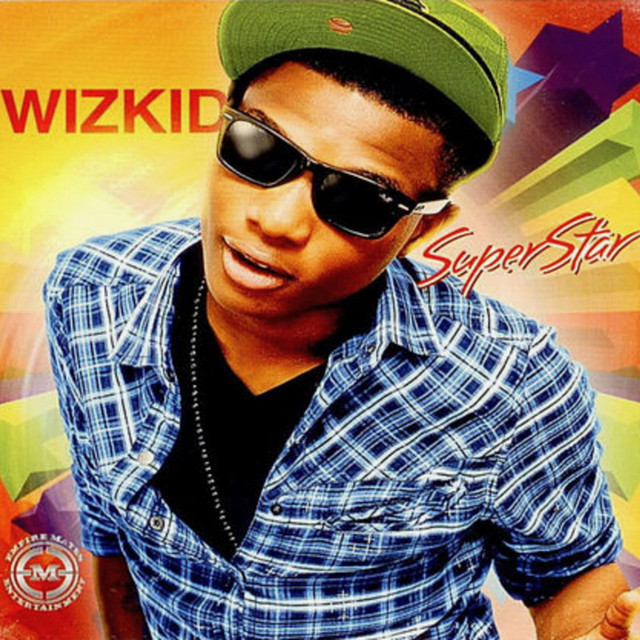
Before Wizkid became one of Africa’s biggest global music stars, he was a young Nigerian artist making his name under Empire Mates Entertainment (E.M.E). In 2011, he officially introduced himself to a much wider audience with Superstar, his debut studio album.
Released on June 12, 2011, Superstar established Wizkid as one of the most exciting young voices in Nigerian pop music. The album brought together Afrobeats, R&B, reggae, dancehall and hip-hop influences while mixing English, Yoruba and Nigerian Pidgin.
The album is built around songs that had already made Wizkid recognizable, including “Holla at Your Boy,” “Tease Me/Bad Guys,” “Don’t Dull,” “Love My Baby,” “Pakurumo” and “Oluwa Lo Ni.”
Album Details
Artist: Wizkid
Album: Superstar
Released: June 12, 2011
Type: Debut studio album
Label: Empire Mates Entertainment (E.M.E)
Genre: Afrobeats, Afropop, R&B, Dancehall, Reggae
Tracks: 17 on the current Apple Music edition
Language: English, Yoruba and Nigerian Pidgin
Main producers: Samklef, E-Kelly, Jay Sleek, Shizzi, DJ Klem, Masterkraft, Q-Beats, Banky W and Vebee
Superstar Tracklist
- Say My Name
- No Lele
- Scatter the Floor
- Pakurumo
- Slow Whine feat. Banky W.
- Love My Baby
- Gidi Girl
- Oluwa Lo Ni
- Don’t Dull
- Tease Me / Bad Guys
- Eme Boyz feat. Skales & Banky W.
- What You Wanna Do?
- For Me feat. Wande Coal
- Holla at Your Boy
- Wad Up feat. D’Prince
- Shout Out
- Wiz Party (Bonus Freestyle Leak)
Note: Some original-release listings distinguish the 16-song album from the bonus “Wiz Party” freestyle, while current streaming editions list 17 tracks.
The Beginning of the Wizkid Era
Superstar arrived after Wizkid had already begun attracting attention with singles released before the album. His breakthrough single “Holla at Your Boy” was released in January 2010 and became one of the songs that introduced his name to a much larger Nigerian audience.
The album therefore did more than simply introduce a new artist. It brought together the different sounds Wizkid had been experimenting with during his early career and presented them as a complete musical identity.
A Blend of Nigerian and International Sounds
One of the defining characteristics of Superstar is its mixture of Nigerian pop with international influences.
The album moves between Afrobeats, R&B, reggae, dancehall and hip-hop. Its production reflects the sound of early-2010s Nigerian pop while also drawing from American and Caribbean musical styles.
Songs such as “Tease Me / Bad Guys” demonstrate the reggae and dancehall influence, while “Holla at Your Boy”combines Nigerian pop with contemporary R&B and hip-hop-inspired production. Apple Music also highlights the album’s multilingual approach and its combination of Nigerian musical traditions with Western pop aesthetics.
Standout Songs
Holla at Your Boy
“Holla at Your Boy” is arguably the song most closely associated with Wizkid’s breakthrough period. Released as the album’s lead single in 2010, it introduced the young singer as a confident and charismatic new voice.
The song’s youthful energy, catchy hook and romantic theme helped establish the sound and personality that would become central to Wizkid’s early career.
Don’t Dull
“Don’t Dull” continued Wizkid’s run of successful early singles. The song has a more confident and street-oriented energy, reflecting the slang and youthful culture of the period.
It also became an important part of the Superstar era, with the album’s version eventually being followed by a remix featuring Akon that surfaced later.
Tease Me / Bad Guys
Originally released as a freestyle, “Tease Me / Bad Guys” became one of the most recognizable tracks from the project. The song blends romantic themes with reggae and dancehall influences, showing Wizkid’s ability to move comfortably between singing and rhythmic delivery.
Pakurumo
“Pakurumo” represents another side of the album. It is a high-energy Nigerian pop record built around a strong rhythmic foundation and Wizkid’s playful vocal delivery.
Apple Music specifically describes the song as having a distinctly Lagos feel, with prominent percussion, 808s and processed vocals contributing to its sound.
Oluwa Lo Ni
“Oluwa Lo Ni” brings a more spiritual dimension to the album. Its title translates roughly to “God owns it,” reinforcing one of the recurring ideas throughout Wizkid’s early music: gratitude and recognition of God’s role in his journey.
Collaborations
Although Superstar is primarily a Wizkid album, it features several important Nigerian artists.
The project includes collaborations with Banky W., Skales, Wande Coal and D’Prince.
Banky W’s presence was particularly significant because Wizkid was signed to his E.M.E label. Their collaborations helped connect the young artist to an already established Nigerian R&B/pop audience.
The appearance of Wande Coal and D’Prince also connected Wizkid to the wider Nigerian pop scene of the era.
Production
The production on Superstar was handled by several prominent producers of the period, including Samklef, E-Kelly, Jay Sleek, Shizzi, DJ Klem, Masterkraft, Q-Beats and Vebee, with Banky W also credited among the production personnel.
This variety gave the album a broad sonic palette. Rather than relying on one producer’s sound, Wizkid moved through different rhythms and arrangements while maintaining a recognizable vocal identity.
Themes on Superstar
Several themes appear throughout the album:
- Young love and romance
- Success and ambition
- Youthful confidence
- Celebration and nightlife
- Street culture
- Faith and gratitude
- Personal identity and self-expression
The album’s title, Superstar, reflects the confidence of a young artist announcing himself to the Nigerian music industry.
The Album’s Place in Wizkid’s Career
Superstar became the foundation for Wizkid’s subsequent career. It was his first studio album and established the musical identity that he would continue developing throughout the decade.
The album was followed by Wizkid’s later projects, including Ayo (2014), Sounds from the Other Side (2017), Made in Lagos (2020), More Love, Less Ego (2022) and Morayo (2024).
Looking back at his discography, Superstar is particularly important because it captures Wizkid before his later international collaborations and global success. It documents the early stage of an artist who was still experimenting with different sounds while establishing his own identity.
Awards and Recognition
The album received significant recognition in Nigeria. Superstar won Best Album of the Year at the 2012 Nigeria Entertainment Awards and was also nominated for Album of the Year at The Headies in 2012.
These accolades reflected the album’s position within the Nigerian music scene following its release.
Legacy of Superstar
More than a decade after its release, Superstar remains an important document of Wizkid’s early career and of Nigerian pop music in the early 2010s.
Its importance is not only connected to the success of individual songs. The album showed Wizkid experimenting with several styles while maintaining a strong connection to Nigerian language, slang, rhythms and popular culture.
The project also established a template that Wizkid would continue to develop: melodic songwriting, understated vocal delivery, Afrobeats foundations and the ability to incorporate influences from R&B, dancehall and hip-hop.
Conclusion
Wizkid’s Superstar is the album that officially began one of the most significant album runs in modern Nigerian pop music.
Released in 2011 through Empire Mates Entertainment, the 17-track streaming edition combines early hits such as “Holla at Your Boy,” “Don’t Dull,” “Tease Me / Bad Guys,” “Pakurumo” and “Love My Baby” with collaborations featuring Banky W., Skales, Wande Coal and D’Prince.
It captures Wizkid at the beginning of his journey: young, ambitious, experimental and deeply connected to the Nigerian pop sound of his generation.
Before the international records, global collaborations and multiple award-winning albums came Superstar — the project that introduced Wizkid as a star.
Share this:

Discover more from Topcitytune Media
Subscribe to get the latest posts sent to your email.


