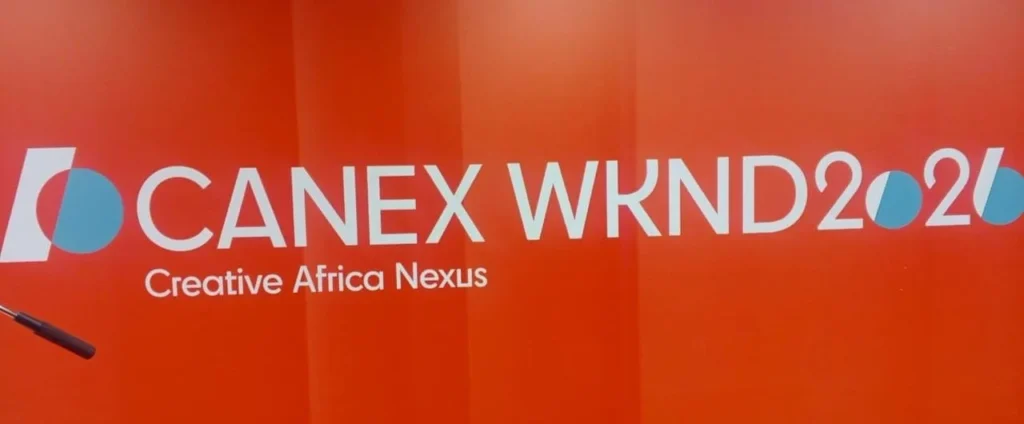
The African Export-Import Bank has promised to increase funding support for the creative industry across the continent, focusing on production, distribution, branding, and intellectual property ownership. The commitment was announced during the Creative Africa Nexus Weekend 2026 held on Thursday in Lagos, according to the News Agency of Nigeria.
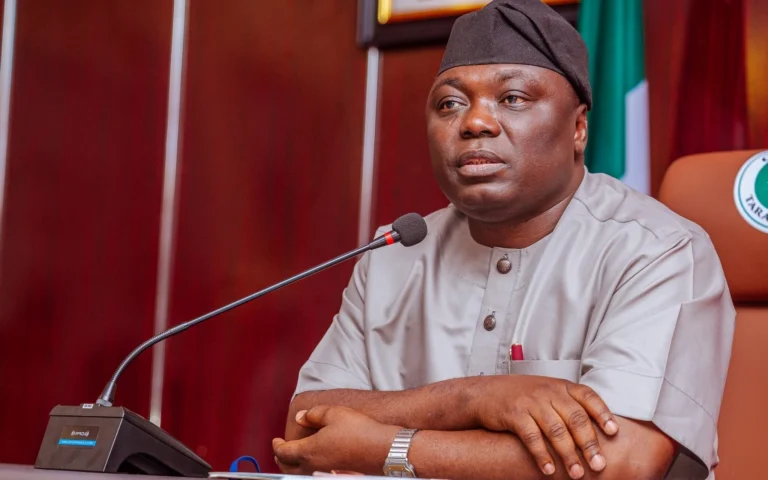
Speaking under the event's theme, "One People, United in Culture, Creating for the World," the President and Chairman of Afreximbank, Dr George Elombi, pointed out that while African talent earns global acclaim in music, film, fashion, and art, most of the money generated remains outside Africa. He noted that the continent accounts for only two per cent of the global creative sector, with its value estimated at 60 billion dollars by the United Nations Economic Commission for Africa.
Elombi explained that foreign companies often hold the rights to distribution platforms, marketing channels, and intellectual property. To fix this imbalance, Afreximbank increased its creative industry financing commitment to two billion dollars in 2024 after previously raising it from 500 million dollars to one billion dollars. The institution has also launched the Pan-African Film Fund for Production and Distribution to secure content ownership locally.
The bank president advised practitioners to register their creations properly, remarking that unrecorded rights cannot attract funding or fair royalties. He also cautioned governments against reducing arts budgets whenever economic troubles arise, calling instead for better infrastructure like performance spaces and production studios.
Nollywood veteran Richard Mofe-Damijo also addressed attendees at the gathering, pushing for stronger investment and distribution networks. He said Africa must look past mere international applause and start building sustainable commercial structures that guarantee true wealth.
Mofe-Damijo highlighted countries like the United States, India, and South Korea, which have turned cultural industries into economic powerhouses. He stressed that natural talent cannot survive on its own without access to proper capital, legal protection, and strategic business partnerships.