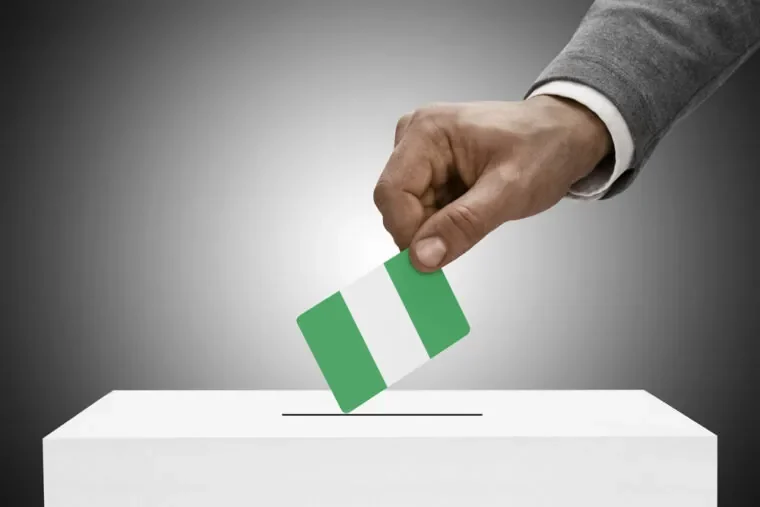
Fresh scrutiny has emerged over the integrity and future conduct of elections across Nigeria, according to Daily Trust. Lingering structural problems, logistical hurdles, and persistent disputes continue to cast deep shadows over the country's democratic process.
The development reflects ongoing public debate regarding how voting exercises are managed and whether electoral bodies can deliver clean, undisputed results. Observers note that without transparent processes and dependable reforms, public confidence in democratic outcomes risks being severely damaged.
Elections in Nigeria have historically faced intense scrutiny from citizens, civil society groups, and international bodies. Recurring issues such as vote collation disputes, security pressures in several regions, and questions around voter turnout have remained major talking points during past cycles.
In recent years, the Independent National Electoral Commission has introduced various technological measures, including electronic voter verification and digital transmission portals, to strengthen the credibility of the polls. However, technical glitches and operational failures during major elections have frequently triggered widespread controversy and legal battles between political parties.
Public interest remains high as stakeholders call for more reliable and accountable electoral management. Civil groups continue to insist that strict adherence to electoral guidelines and prompt resolution of pre- and post-election issues remain vital to securing stability across the nation.