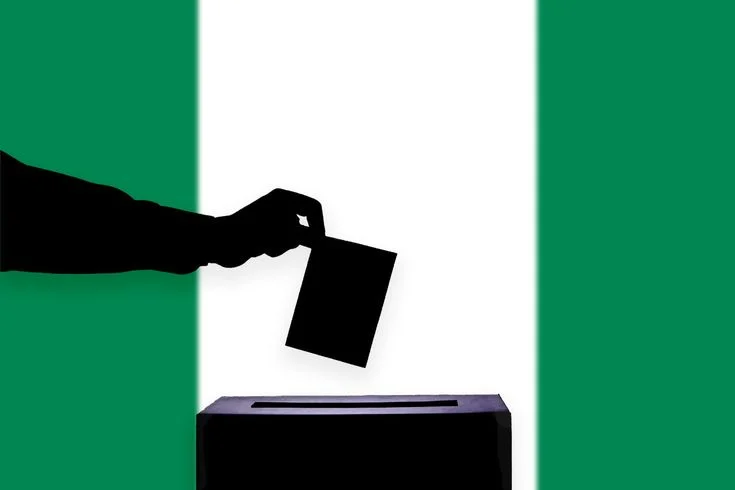
Questions have emerged regarding the decision to fix Nigeria’s upcoming presidential election on January 16, 2026, due to the historical trauma linked to the date. For millions of citizens, particularly across Northern Nigeria, the day marks a somber period tied directly to the nation's first military coup.
According to Vanguard News, holding a national ballot on this day risks opening old wounds and overshadowing the democratic process. In an opinion by Hassan A. Karofi, the report noted that while election dates may be chosen for administrative or constitutional convenience, historical symbolism carries heavy weight in diverse societies.
The concern is rooted in the early hours of January 15, 1966, when young army officers staged a coup d'état. By the morning of January 16, key political and military figures had been killed. Those who lost their lives included the Premier of Northern Nigeria, Sir Ahmadu Bello, and Nigeria's first Prime Minister, Sir Abubakar Tafawa Balewa.
Other top officers assassinated during the putsch included Brigadier Samuel Ademulegun and Brigadier Zakariya Maimalari. In the North, the killings were largely seen as a targeted attack against the region’s leadership. That perception fueled widespread anger and mistrust, eventually sparking the July 1966 counter-coup and the Nigerian Civil War.
Major General Johnson Aguiyi-Ironsi took control of the government following the January coup and suspended sections of the constitution. Over six decades later, traditional institutions, families, and political analysts still view the anniversary as a day of mourning rather than celebration.
While some commentators point out that constitutional schedules must be kept and public activities cannot stop for anniversaries, critics argue that national unity requires emotional tact. They warn that in the age of social media, political players could weaponize the date to deepen ethnic division and stir regional grievances.
Policymakers are being urged to consider whether alternative polling dates could fulfill constitutional obligations without creating unnecessary tension around a shared democratic process.