Mark Ruffalo Bemoans Paramount Getting Approval for Warner Bros. Merger: ‘An Incredibly Disappointing Outcome’
“This merger will stifle creativity, weaken free speech and cost people their jobs,” the actor adds
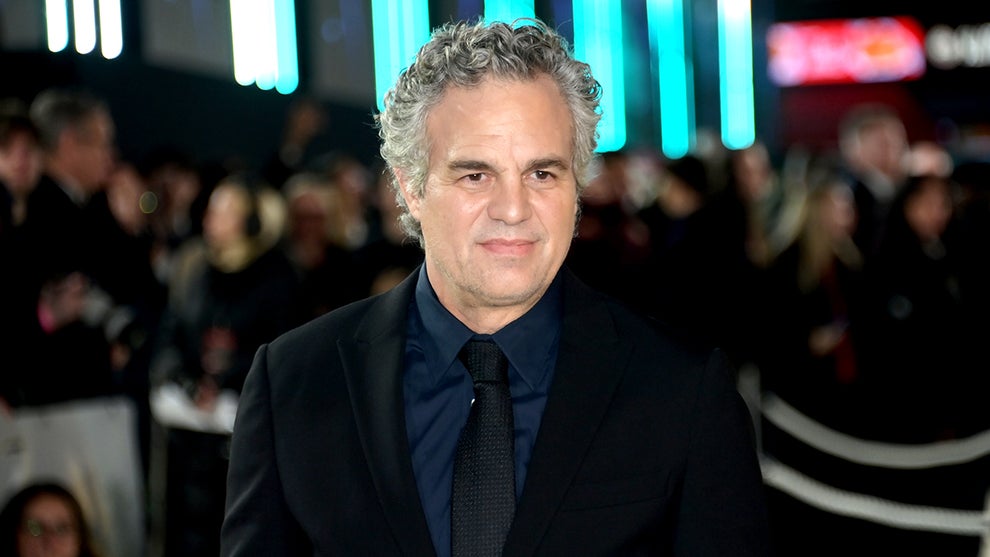
Mark Ruffalo has reacted strongly to the federal court’s approval of Paramount Skydance’s planned acquisition of Warner Bros. Discovery, calling the decision “an incredibly disappointing outcome” after months of publicly campaigning against the $110 billion-plus transaction.
Ruffalo, who has been one of the most visible Hollywood opponents of the merger, criticized the decision in a statement posted Wednesday after Judge Araceli Martínez-Olguín approved a settlement between Paramount and the 12 states that had challenged the deal on antitrust grounds.
Ruffalo argued that the merger could have significant consequences for the entertainment industry.
“This merger will stifle creativity, weaken free speech and cost people their jobs,” the actor wrote, describing the decision as “a bad deal for this country” and saying it “should never have been approved.”
He also described the ruling as a major disappointment for the people who had organized against the transaction.
“This is an incredibly disappointing outcome for the hundreds of thousands of us who stood up to block it, but it’s also not the end,” Ruffalo wrote.
The actor said the grassroots opposition movement would continue, framing the merger fight as part of a broader campaign against concentrated corporate power.
The court ruling removes a major legal obstacle to Paramount’s planned acquisition of Warner Bros. Discovery.
The companies reached a settlement with 12 state attorneys general, led by California, after the states challenged the transaction on antitrust grounds. Judge Martínez-Olguín approved the settlement on September 30, allowing the deal to move toward completion.
The transaction is valued at more than $110 billion when debt is included and would combine major entertainment assets including Warner Bros., HBO and CNN with Paramount, CBS and Paramount+.
As part of the settlement, the merged company has committed to increasing U.S. film and television production.
The agreement requires Paramount-Warner Bros. to release at least 30 movies annually in U.S. theaters for five years and invest an additional $300 million per year in domestic production. It also establishes an editorial oversight board for CBS News and CNN.
The agreement also includes provisions related to workers and other parts of the entertainment business. The Writers Guild of America separately reached a settlement with Paramount that includes a payment to the guild’s health fund and commitments involving CBS News staffing.
Ruffalo’s latest statement follows months of public opposition to the transaction.
Earlier in September, he urged California Attorney General Rob Bonta and the other state attorneys general not to settle their antitrust case with Paramount. He argued that the proposed commitments did not adequately address the potential consequences of the merger.
Ruffalo also joined other Hollywood figures in publicly campaigning against the deal, including actors and filmmakers who raised concerns about consolidation, employment and the future of independent creative voices.
Ruffalo’s opposition to the merger also led to a separate public dispute with Paramount after the actor criticized the role of Oracle and its chairman Larry Ellison in financing the transaction.
Paramount accused Ruffalo of invoking antisemitic tropes in his criticism. Ruffalo rejected that characterization, saying that criticism of corporate executives, government contracts or Israeli policy should not be equated with hostility toward Jewish people.
The dispute added another layer to the already heated debate surrounding the proposed merger.
With the federal court’s approval, Paramount’s acquisition of Warner Bros. Discovery has cleared the major antitrust hurdle that had threatened to derail the transaction.
Paramount and Warner Bros. Discovery can now move toward completing the deal, subject to the remaining closing steps. The resulting company would bring together two of Hollywood’s major legacy studios and a large collection of film, television, streaming and news properties.
Ruffalo, meanwhile, says the opposition movement will continue despite the court’s decision.
For the actor and other critics, the debate is now shifting from whether the merger should happen to what its eventual impact will be on Hollywood workers, audiences and the wider media landscape.
Share this:

Discover more from Topcitytune Media
Subscribe to get the latest posts sent to your email.