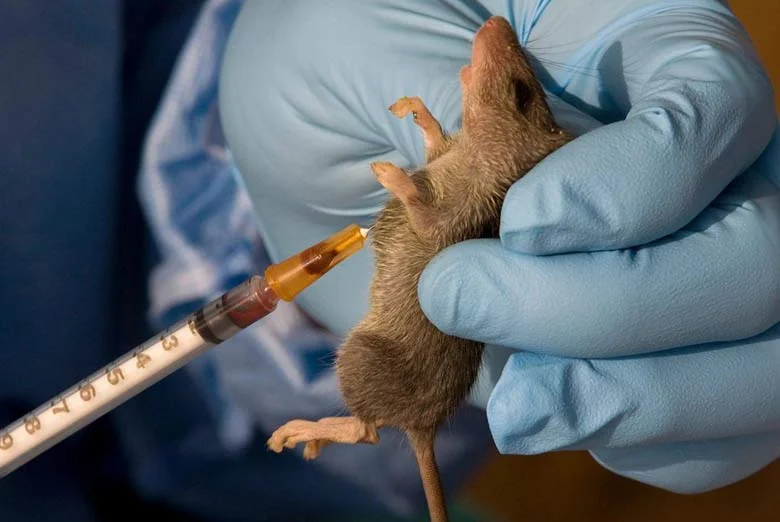
Nigeria's battle with Lassa fever has intensified as the total number of confirmed infections in 2026 climbed to 1,226, with the death toll standing at 278. The latest situation report released on Wednesday by the Nigeria Centre for Disease Control and Prevention revealed an ongoing spread of the acute viral illness across multiple parts of the country.
During epidemiological week 46, health officials logged 22 new confirmed infections, showing a rise from the 18 cases verified in week 45. Suspected infections also increased within the same period, climbing from 141 to 151, according to Blueprint Newspapers.
The newly confirmed cases emerged from four states: Bauchi, Ondo, Edo, and Benue. Although health authorities registered no fresh fatalities during weeks 45 and 46, the cumulative case fatality rate stood at 22.7 percent. This reflects a sharper mortality trend compared to the 18.5 percent documented in the corresponding period of 2025.
Geographic data shows that 26 states and 122 Local Government Areas have identified at least one confirmed case since the year began. Five states bear the brunt of the outbreak, generating 87 percent of all confirmed cases. Ondo leads with 37 percent, Bauchi follows with 24 percent, Taraba holds 11 percent, Edo accounts for 10 percent, and Benue carries five percent. The remaining 13 percent of cases are spread across 21 other states.
Young adults remain the most vulnerable demographic. The agency identified individuals aged between 21 and 30 as the primary group affected, though patient ages range from one to 93 years, with a median age of 30. The infection balance between men and women stands at a 1:0.9 ratio. On a positive note, no healthcare worker contracted the virus in week 46.
The agency explained that the virus spreads to humans through food or household surfaces contaminated by the urine and faeces of infected rats, as well as direct contact with infected bodily fluids. To prevent further spread, the NCDC urged citizens to practice proper food hygiene, store items in sealed containers, clear household refuse, and eliminate rodents from living areas.