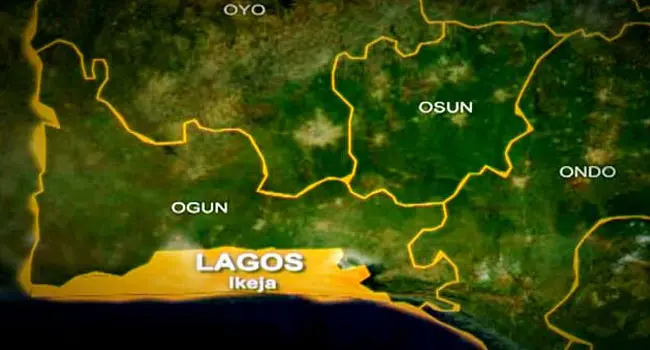
The Lagos State Government has issued an alert urging residents to prepare for severe heat conditions as the dry season draws near. Officials linked the expected rise in temperature to a strengthening El Nino climate pattern, warning that it could bring harsh dry spells, thick dust, and poor air quality across the metropolis.
The alert was detailed in a statement from the Commissioner for the Environment and Water Resources, Tokunbo Wahab, signed by the ministry’s Director of Public Affairs, Kunle Adeshina, according to Punch. The commissioner pointed out that the city faces particular risks because of its high population density, rapid urban growth, and coastal location. Wahab noted that heavily built-up areas with scarce green spaces and little airflow hold onto heat, making local neighbourhoods much hotter.
The government warned that long exposure to high temperatures can trigger dehydration, heat exhaustion, and fatal heatstroke if left untreated. Those identified as most at risk include children, expectant mothers, older citizens, street traders, construction labourers, waste handlers, and individuals dealing with underlying medical conditions. Employers, schools, and families have been urged to provide immediate safeguards for these groups.
Officials also voiced worry that dry-season haze and dust would worsen air pollution and trigger severe breathing problems for people with existing chest conditions. Wahab explained that the common use of petrol and diesel generators during power cuts could pollute local neighbourhoods even further.
To cope with the weather, authorities advised the public to drink plenty of clean water, dress in lightweight, breathable fabrics, stay in shaded or airy locations, and cut down on heavy physical labour during the peak heat of the day. Operators of schools, markets, and offices were asked to provide drinking water and shaded spots where people can rest.
The ministry urged people to stop the open burning of waste and instead support tree-planting efforts to help cool the city. Wahab said the state will work alongside the Nigerian Meteorological Agency, the Lagos State Ministry of Health, and the Lagos State Emergency Management Agency to monitor the climate pattern and handle emergencies.