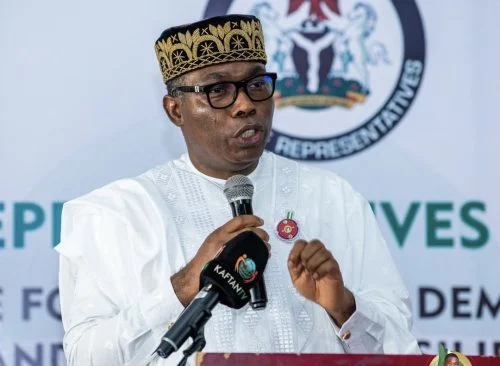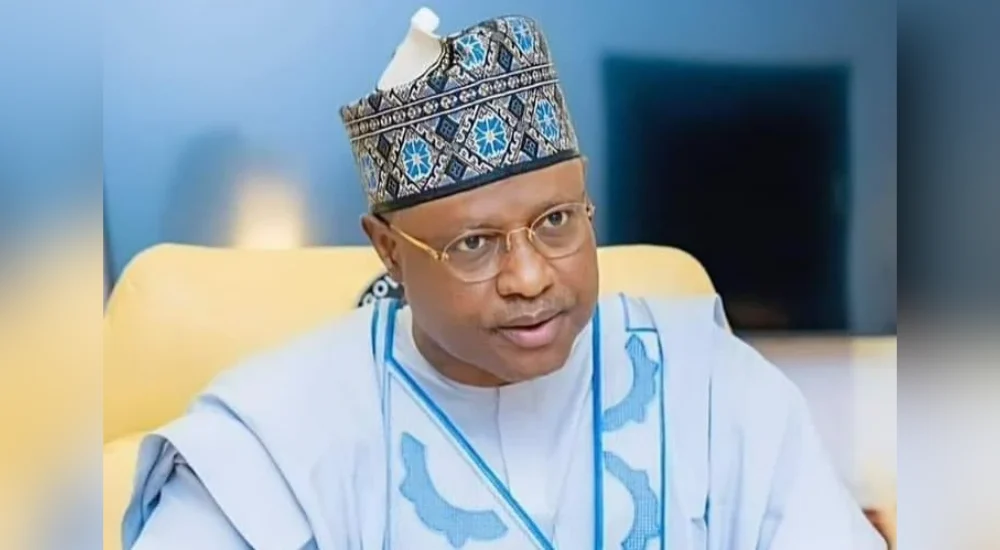
Kaduna State Governor Uba Sani has stated that political figures who have held office in Northern Nigeria since 1999 must accept responsibility for the region’s development setbacks. Sani pointed out that longstanding problems, including a massive number of out-of-school children, cannot be placed solely on President Bola Tinubu’s government, which assumed office in May 2023.
According to a report by The Whistler, the governor explained that previous governors, ministers, senators, and vice presidents from the region should be accountable. He noted that Nigeria had around 18 million out-of-school children in 2023, with nearly 70 percent of them residing across the northern states.
Speaking on his home state, Sani mentioned that Kaduna had roughly 550,000 children out of classrooms when his tenure started in 2023. He said his administration has since managed to bring 300,000 of those pupils back into schools.
The governor also cautioned politicians against using regional sentiment during campaigns. He maintained that northern voters are smart and will only support leaders based on their past performance and public service record rather than ethnic or regional appeals.
Defending the current federal administration, Sani outlined several infrastructure projects being carried out across the North. He stated that in the North-East, over 348 kilometres of roads are finished, around 3,100 kilometres remain under construction, and about 1,800 kilometres have reached nearly 90 percent completion. For the North-West, he said more than 342 kilometres have been delivered, alongside 1,042 kilometres approaching 90 percent completion.
Turning to higher education funding, Sani revealed that over 414,000 students from the North-West zone have accessed support through the Nigerian Education Loan Fund. He stated that roughly N84 billion was directed to the zone under the initiative, providing relief for youths from low-income families.
The governor stressed the importance of technical and vocational training to curb joblessness among young people. He urged leaders across the region to stay focused on education and practical policies that directly improve people's everyday lives.