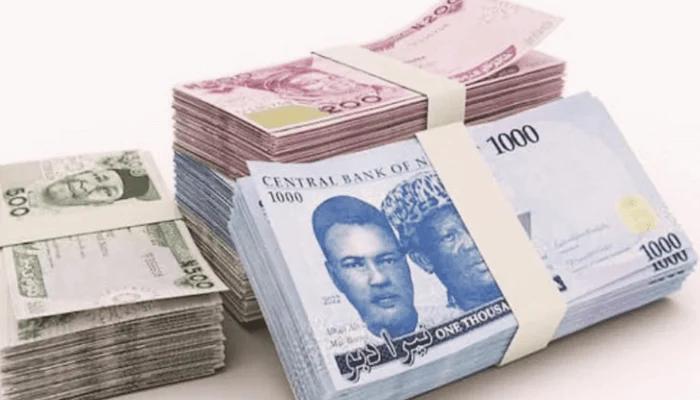
Nigeria's external reserves have reached their strongest levels in several years, yet the naira continues to struggle against major global currencies, according to a report by Business News Nigeria.
The foreign exchange market is still experiencing lingering instability despite the central bank accumulating more foreign currency buffers. Industry observers point out that having higher reserves has not automatically translated into sustained gains for the local currency.
In recent years, the Central Bank of Nigeria has rolled out multiple policy shifts, including clearing foreign exchange backlogs, adjusting interest rates, and unifying exchange windows to stabilise trading. Even with these interventions and an improvement in dollar inflows, market liquidity remains uneven across official and unofficial channels.
For businesses and ordinary citizens, the prolonged weakness of the naira maintains pressure on retail prices and the broader cost of living. Import costs for essential goods, raw materials, and services continue to reflect the ongoing currency volatility across the country.
Financial analysts argue that external reserve growth alone cannot fix the currency's underlying challenges without long-term structural reforms. Key issues such as crude oil production levels, export diversification, and domestic refining capacity remain crucial factors for the naira's long-term stability.