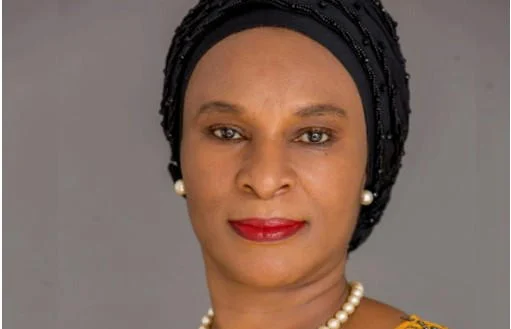
Nigeria loses about $1.6 billion each year in lost productivity because of avoidable blindness and vision impairment. Professor Ada Aghaji, an expert in Ophthalmology and Eye Health Systems, disclosed this during an academic presentation.
Aghaji shared the data while delivering the 254th Inaugural Lecture at the University of Nigeria, according to Vanguard. Her lecture was titled "Let There Be Sight: Building Sustainable Eye Health Systems for All in Africa."
The scholar stated that vision problems go beyond healthcare, affecting the economy, general development, and social justice. Across the African continent, the annual productivity loss reaches roughly $9 billion, while the worldwide total stands at $410 billion.
She explained that simple remedies exist to tackle most cases of blindness, such as basic reading glasses, routine check-ups at primary health clinics, and quick 15-minute cataract surgeries. However, poor healthcare structures, shortage of medical staff, high poverty rates, and weak patient referral systems stop ordinary citizens from receiving help.
To highlight these disparities, Aghaji shared the case of two children born with congenital rubella syndrome. A Nigerian child ended up permanently blind due to treatment delays, while a Somali refugee child in England got immediate surgery, glasses, and hearing aids, allowing him to lead a normal life.
The professor stressed that solving this crisis requires clear economic planning. She noted that investing around $110 million into Nigerian eye health between 2026 and 2030 could deliver $2.45 billion in economic returns.
Aghaji pointed out that helping people regain their sight boosts community productivity, allowing farmers to cultivate land, traders to run shops, and children to study without disruptions. She urged policymakers to prioritize eye care funding and make sure medical resources tackle the exact bottlenecks in the healthcare sector.