Nigeria recorded N41.4 trillion in total merchandise trade during the second quarter of 2026. The performance marks a 5.6 percent jump compared to the corresponding period of 2025, highlighting the vital role of maritime transport in expanding commercial operations nationwide.
The figures were made public by Ikechukwu Onyemekara, General Manager of the Corporate Affairs Division at the Nigerian Ports Authority, according to Punch. Speaking in Lagos at a maritime and business training workshop organized with the Premium Times Training Academy, he explained that steady growth in cargo traffic has been a major driver of overall commerce.
Data shared by the authority showed that nationwide cargo volumes climbed from 103.6 million metric tonnes in 2024 to 129.3 million metric tonnes in 2025, marking an annual gain of 24.8 percent. The upward trend continued into the first half of 2026, with volumes rising 12.2 percent to hit 68.2 million metric tonnes, compared with 60.8 million metric tonnes recorded in the opening half of 2025.
Shipping traffic also expanded across the country. Nigerian ports welcomed 2,300 vessels in the first six months of 2026, an improvement from 2,152 ships that arrived during the same timeframe the previous year. Export activity strengthened as well, with outbound freight making up 41.9 percent of all handled throughput during the second quarter.
A substantial share of this operational expansion came from the Lekki Deep Sea Port, which accounted for almost 40 percent of total cargo volume across Nigerian ports in the first half of 2026. Onyemekara noted that over 75 percent of the traffic moving through Lekki was tied directly to refinery operations, showing the impact of major industrial projects on shipping.
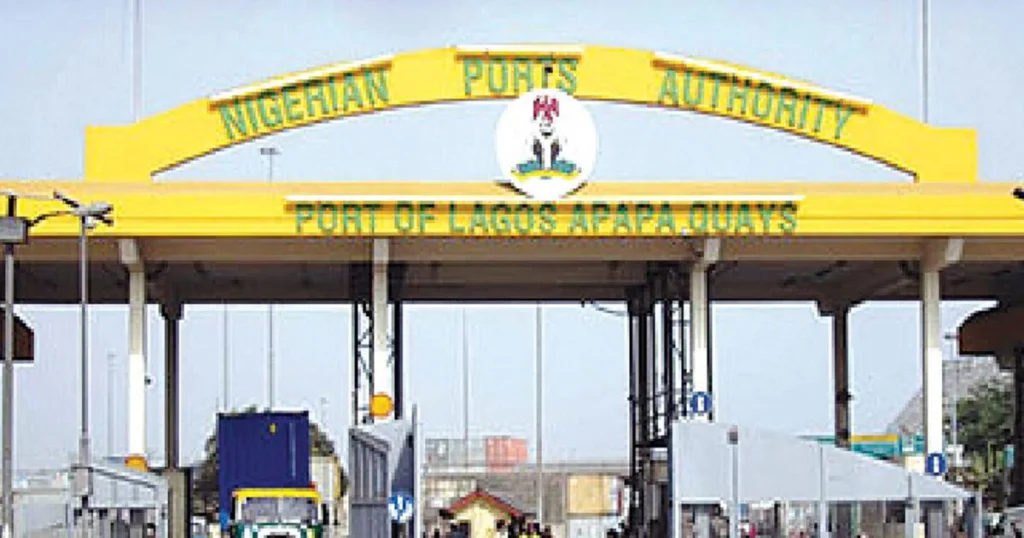
To boost terminal performance, the Federal Government has locked in £746 million in UK-backed funding to modernize facilities at Apapa and Tincan Island in Lagos. Repair and reconstruction projects are also progressing at ports in Onne, Warri, and Calabar.
Onyemekara pointed out that digital tools such as the Eto electronic truck call-up system, the Port Community System, and the National Single Window project remain essential to reducing delays and smoothing cargo movement. He called on reporters to prioritize verified facts over surface-level numbers when covering the sector.