Modern parenting dynamics in Nigeria are experiencing a noticeable cultural shift. Fathers across the country are increasingly placing more importance on active involvement and personal connection with their children rather than focusing solely on basic financial upkeep, according to a report by LEADERSHIP Newspapers.
Traditionally, the role of a father in many Nigerian households was viewed through the lens of being the primary provider. Men were largely expected to cover school fees, food, and housing costs, often leaving day-to-day emotional nurturing and childcare entirely to mothers. This traditional expectation frequently led to fathers being emotionally distant or physically absent due to work pressures.
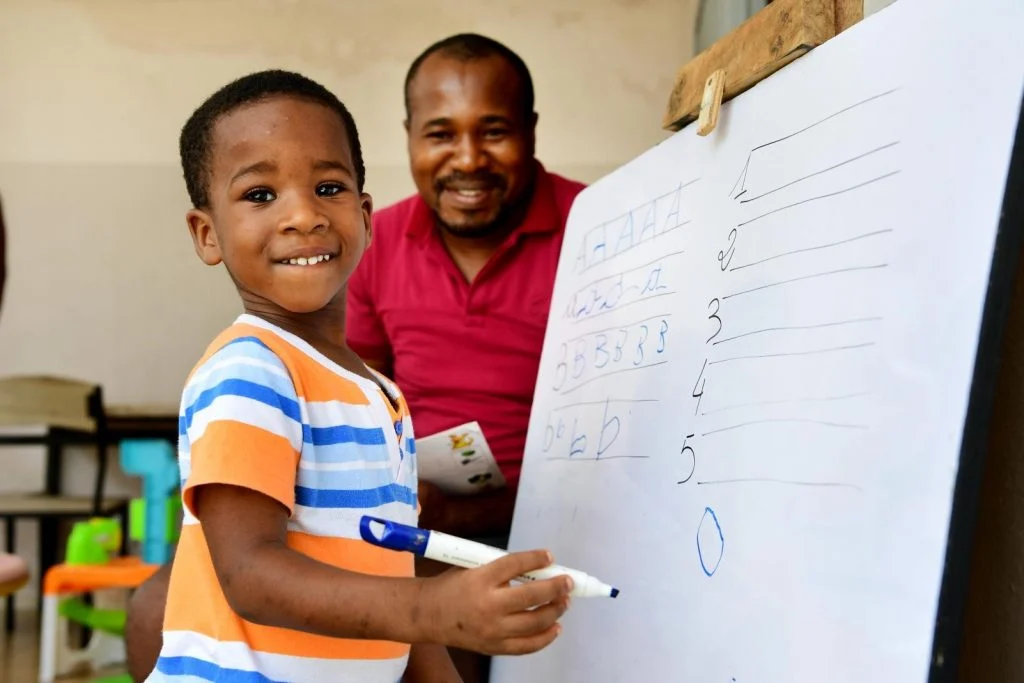
The recent study highlights a departure from this longstanding pattern. Contemporary fathers are actively seeking to build strong, personal bonds with their children. Rather than measuring their success merely by what they can buy, more men are choosing to invest time, listen, and participate directly in their children's developmental journeys.
This change reflects broader social conversations in the country regarding modern family life, mental wellness, and hands-on parenting. As work patterns evolve and dual-income households become more common, Nigerian men are stepping up to share domestic responsibilities and offer emotional guidance in ways earlier generations rarely practiced.